The third edition of Deep-Breath took place in Strasbourg, France, on 27 September 2026, in conjunction with MICCAI 2026. The workshop was led by General Chairs Dr. Tianyu Zhang, Dr. Oliver Lester Saldanha, Prof. Dr. Jakob Nikolas Kather, Dr. Tao Tan, and Prof. Dr. Ritse M. Mann, with ODELIA project members actively contributing to its leadership and organization. Researchers and clinicians from around the world gathered to discuss advances in artificial intelligence and imaging for breast cancer care, connecting ODELIA’s work with the wider medical imaging community.
The program featured keynote talks by Prof. Dr. Ritse M. Mann, Dr. Hao Chen, Prof. Dr. Fiona Gilbert, and Dr. Maciej A. Mazurowski, alongside oral and poster presentations and three associated challenges. Discussions covered foundation models, AI agents, clinical translation, and international collaboration, with a shared focus on how research can contribute to better breast cancer care. Ms. Nika Rasoolzadeh also kicked off the BIG-MRI Challenge, introducing its focus on predicting 2- and 5-year breast cancer risk using breast MRI, with or without clinical information, to support more personalized screening. Jiefu Zhu also contributed to the workshop by moderating one of the sessions.
During the workshop, Prof. Dr. Ritse M. Mann introduced the ODELIA open platform and discussed how swarm learning can support international collaboration while protecting patient privacy. This addressed a central challenge in medical AI: enabling institutions to learn from diverse patient populations without pooling sensitive patient data in a central repository. ODELIA is developing a pan-European swarm learning network, with breast cancer detection in MRI screening as its primary application. Its decentralized approach is designed to enable collaborative AI training while keeping patient data within participating institutions. Through open-source resources and tools, the project also aims to make this approach accessible to the wider research community.
The panel discussion brought together Prof. Dr. Ritse M. Mann, Dr. Maciej A. Mazurowski and Dr. Tao Tan to explore research priorities and the practical challenges of bringing AI into clinical use. Topics included the changing role of foundation models, reliable evaluation across clinical settings, and access to AI across hospitals with different resources. The discussion of ODELIA connected these themes to opportunities for collaboration and participation through its open platform.
Scientific exchange also extended beyond the workshop through the Deep-Breath Expert Interview Series. Recorded ahead of the event, interviews with ODELIA members Prof. Dr. Jakob Nikolas Kather and Prof. Dr. Ritse M. Mann offered perspectives on emerging directions in oncology AI. In his conversation with Ms. Yaofei Duan, Jakob discussed the shift from AI tools to AI agents. Ritse’s interview with Ms. Nika Rasoolzadeh explored opportunities, challenges, and clinical impact in breast imaging AI. Both interviews are available online:
- Watch the interview with Prof. Dr. Jakob Nikolas Kather
- Watch the interview with Prof. Dr. Ritse M. Mann
Deep-Breath provided a forum for ODELIA to engage with researchers and clinicians beyond the consortium, share its approach, and discuss opportunities for broader participation. These exchanges emphasized the importance of connecting technical development with clinical needs and building international networks to advance breast imaging AI.
The organizers thank all speakers, authors, reviewers, challenge teams, attendees, and committee members for their contributions and support. The Deep-Breath community looks forward to building on these connections and meeting again in New Zealand for Deep-Breath 2027.
Learn more: Deep-Breath 2026
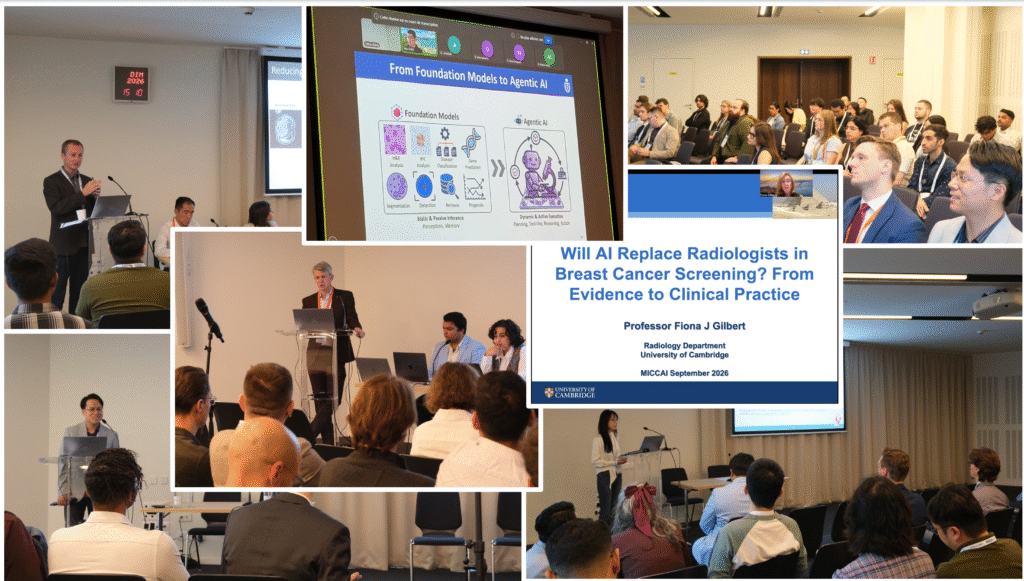
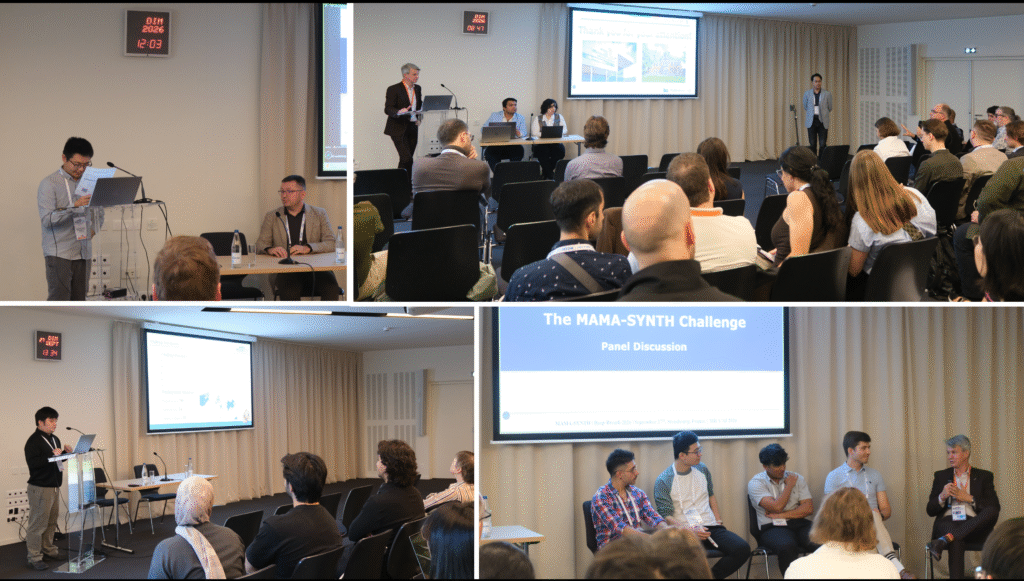
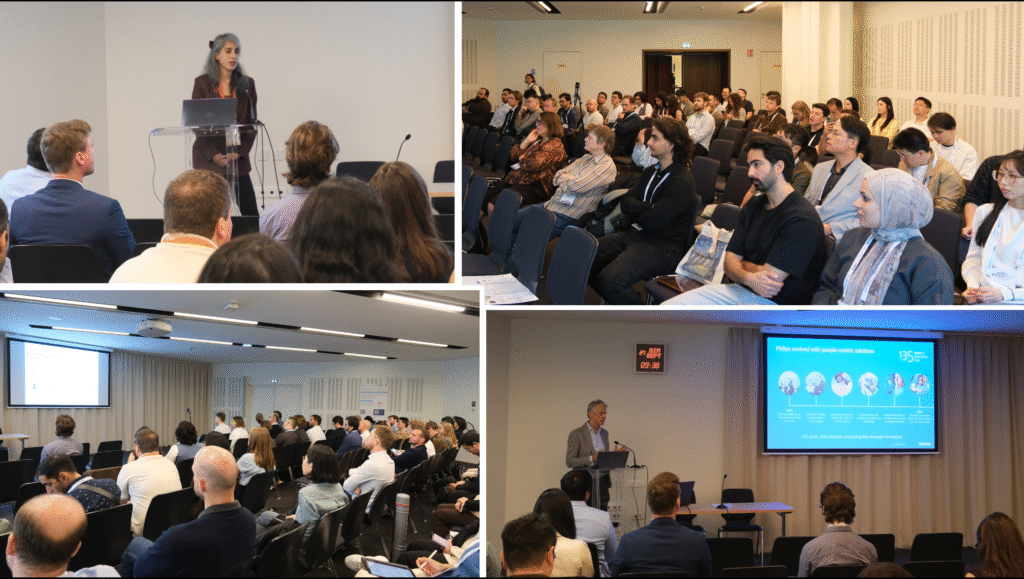
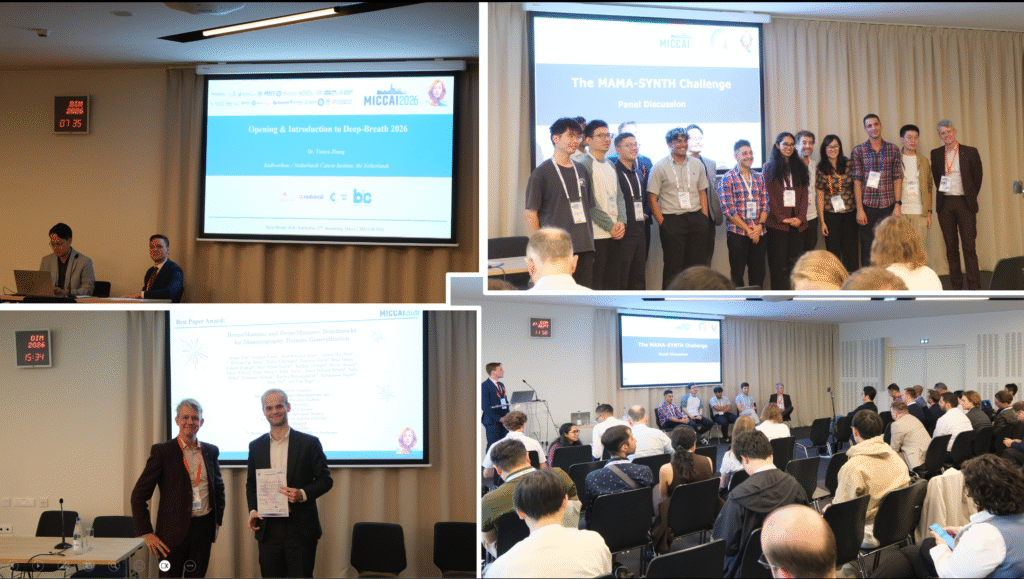
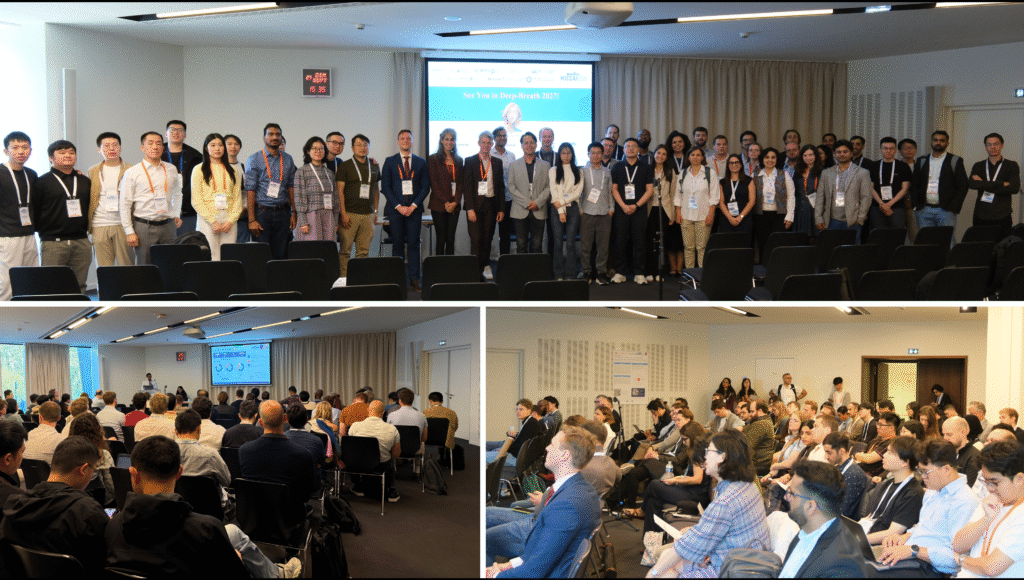
Photo caption: Highlights from Deep-Breath 2026, held in conjunction with MICCAI 2026 in Strasbourg, France.